


Coty is handing Gucci back for $400 million — and giving up 15% of its profit on purpose
The company is returning its most prestigious licence a year early. It sounds like surrender, but the market reads it differently: “Coty is losing its Cinderella, but even Disney knows the strongest franchise is not a single princess.”
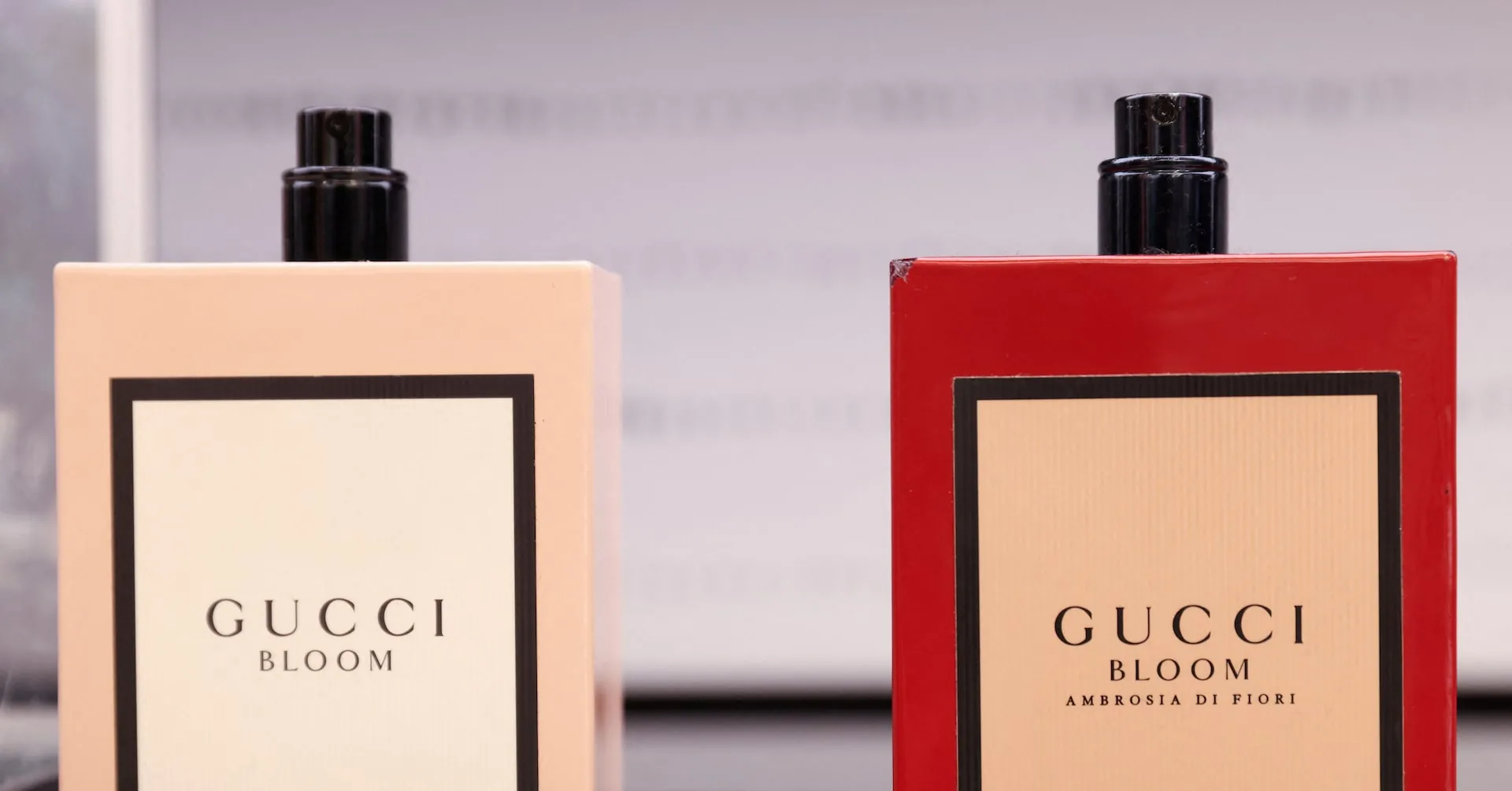
Coty is exiting its Gucci Beauty licence early in a $400 million deal, handing its most prestigious licence back to Kering a year ahead of schedule, in mid-2027. For interim CEO Markus Strobel, the Procter & Gamble veteran who took over in January, fiscal 2028 will be rough.
The cost, in numbers: Barclays analyst Lauren Lieberman estimates Coty is giving up around $115 million of annual adjusted EBITDA — roughly 15% of total profits. The shares have already slid 80% since early 2024.
But the deal has another half. Coty gets $250 million upfront and another $150 million before October 2027, plus potential cashflow from inventory sales and savings on headcount and marketing. Net debt stands at about $2.9 billion, and rating agencies are watching closely: the money goes to bringing it down.
“This is a win-win-win decision,” says beauty industry veteran Alfonso Emanuele de Leon, a partner at FA Hong Kong Consultancy. Kering, for its part, agreed last year to sell the Gucci fragrance and cosmetics licence along with its entire beauty business to L’Oréal.
Coty knew the licence expired in 2028 and prepared for it: it grew Gucci Beauty revenue 60% since 2019 and signed Swarovski, Etro and Marni in 2024. Strobel has sharpened the focus on prestige fragrance, relaunched Marc Jacobs makeup, and is repositioning mass-market CoverGirl toward older, wealthier Gen X consumers.
“The loss of the Gucci licence will not be as prejudicial as people imagine,” says Akeel Sachak, partner and global head of consumer at Rothschild & Co. “Coty still has a strong fragrance business and has been diversifying in anticipation of the licence ending. It is less dependent on Gucci than the market is pricing in.”
The history matters: Coty became an industry giant in 2015 by buying Procter & Gamble’s perfume, hair care and makeup businesses for $12.5 billion. It has since divested the hair division and is running a strategic review of mass cosmetics brands including CoverGirl and Rimmel.
Michael Ashley Schulman, partner at Cerity Partners, compares luxury beauty to Hollywood: the studios that consistently outperform build a deep library of names rather than betting everything on one superhero. “Coty is losing its Cinderella, but even Disney knows the strongest franchise is built on a deep roster of timeless names, not a single princess.”