


A €3 parcel fee has halved Shein’s valuation
In 2022 the company was valued at $100 billion. Now it is listing at $40–50 billion — and investors say even that looks expensive.
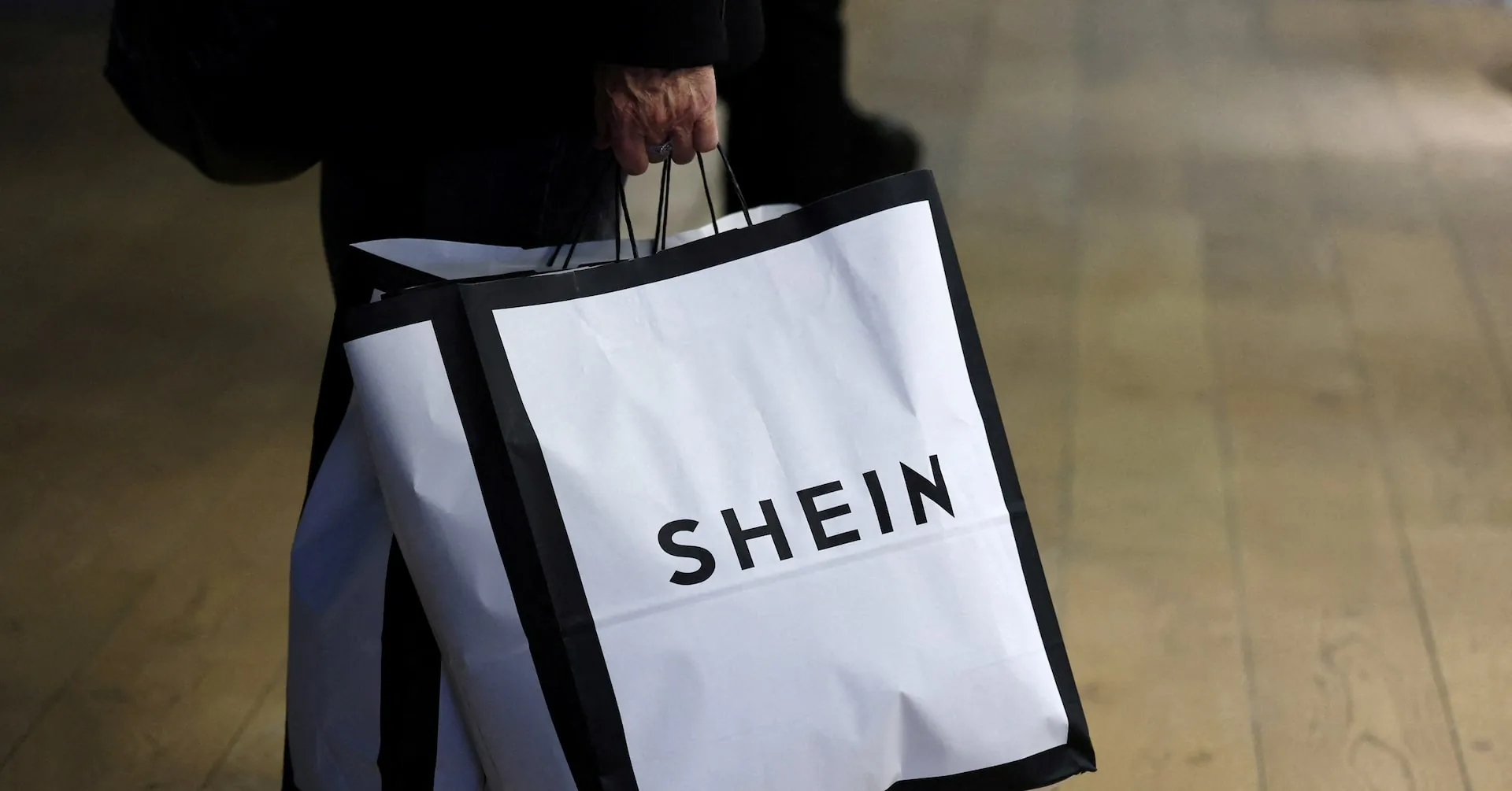
Shein’s ambitions for a valuation of up to $50 billion in its long-awaited Hong Kong IPO are likely to face a tough test from investors, as new fees on e-commerce parcels in Europe weigh on sales growth and profits.
The fast-fashion retailer is seeking $40 to $50 billion. That is a far cry from the $100 billion valuation reported in a 2022 funding round, when it first started pursuing a New York listing.
The business itself is large. Shein earned global revenue of more than $40 billion last year and made close to $2 billion in net profit, according to sources with knowledge of the matter. In 2024 it made $37 billion in revenue and $1.29 billion in profit, according to its latest results filing in Singapore.
The problem lies elsewhere. From this month the European Union imposed a €3 fee on low-value e-commerce imports, to curb what it calls unfair competition from China. Parcels worth less than €150 previously entered duty-free; the fee now applies per customs code, meaning a parcel of five different items could be charged €15.
“If you’re used to buying €3 T-shirts on Shein, those are now double the price which is quite significant, even if they’re still cheaper than local alternatives,” said e-commerce analyst Juozas Kaziukenas. “It’s killing the conversion rates they previously had, and thus they reduced marketing spend.”
Shein had prepared by expanding warehouse space in Wrocław, Poland, and shipping top-selling products to the EU in bulk. But like rival Temu it has slashed advertising spending in Europe, according to an analysis by Smarter Ecommerce based on Google advertiser auction data, while it waits to see how consumers react to higher prices. That contrasts with last year, when both platforms dialled up European marketing to compensate for weaker US growth after the Trump administration ended its de minimis duty-free policy. Shein was able to pass higher costs to consumers in the US; in more price-sensitive Europe that is far harder.
CEO Sky Xu will have to convince investors this is a temporary blip with growth picking up again in 2027. Most of Shein’s products are made in China, and Europe accounts for a third of revenue, according to Euromonitor.
“If its valuation is $40 billion, I think that’s still a bit expensive. But if it’s closer to $30 billion, maybe it looks more attractive,” said Eddie Tam, chief investment officer at Hong Kong’s Central Asset Investments, who expects a big impact from the European fees. “The problem is that the company is already on a downward trajectory. E-commerce competition is extremely intense, both in China and overseas.”
The contrast with the past is stark. When Temu owner PDD Holdings, then Pinduoduo, debuted on the Nasdaq in 2018, it raised $1.63 billion at a $23.8 billion valuation; the shares soared 40% on day one, taking it to $33 billion, even though the company was loss-making and its revenue a fraction of Shein’s today. Since then Chinese e-commerce has become far more political, with Temu and Shein seen as undercutting retail — a significant employer — in the US and Europe, drawing the ire of politicians and regulators.
A final pre-IPO hearing before the Hong Kong stock exchange listing committee was due on Thursday. The company has already begun testing the waters with investors ahead of a public filing expected by month-end, targeting a September listing.