


Moncler wants to stop being a one-winter brand
Asia delivered +12%, Europe sagged on tourism. The new CEO, poached from Bottega Veneta, says the future is in materials, not puffer jackets.
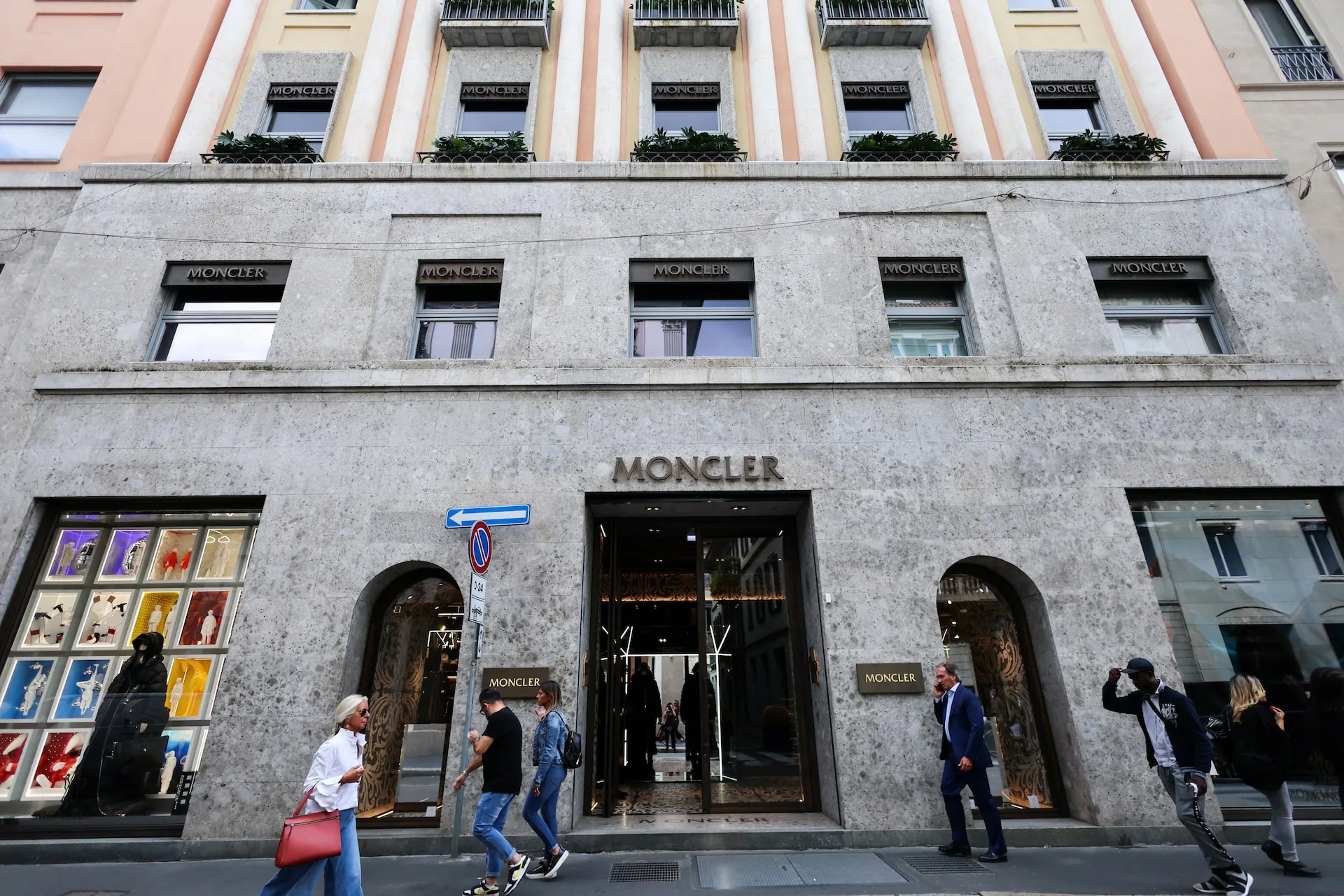
Moncler’s second-quarter revenue rose 5% at constant exchange rates to €409.3 million ($467 million). The analyst consensus compiled by the company itself pointed to €405.8 million, so the result came in slightly ahead.
The number is modest for a reason: for a maker of winter puffer jackets, the second quarter is low season. Which is why the interesting part is not the revenue but what management says.
The eponymous brand, which accounts for the bulk of group sales, gained 12% in Asia, led by China and South Korea. In the Americas, where the brand is still building its presence, sales grew 4%. Europe looks worse: tourist spending has slowed.
First-half operating profit rose to €245.4 million from €224.8 million a year earlier — up 9.2%.
The real news came on the earnings call. New CEO Leo Rongone, a former Bottega Veneta executive, laid out his priorities: strengthen the brand in regions with real growth potential, and renew the push to turn Moncler into an all-season label. The key, he said, will be innovation in materials — the way out of the outerwear category the brand has been tied to from the start.
The history invites that kind of turn. Moncler was founded in 1952 in a mountain village near Grenoble and started out making equipment for climbers. Italian entrepreneur Remo Ruffini, who bought the company in 2003, turned it into a global luxury brand.
The report adds to tentative signs of recovery across the sector: a week earlier Cartier owner Richemont posted better-than-expected revenue, and Burberry reported a 5% rise in comparable store sales.