


Feathers, florals and dramatic pleats: what Paris couture week actually showed
Sculptural silhouettes, shimmering gowns and embroidery that takes hundreds of hours. The week’s standout looks, in one place.
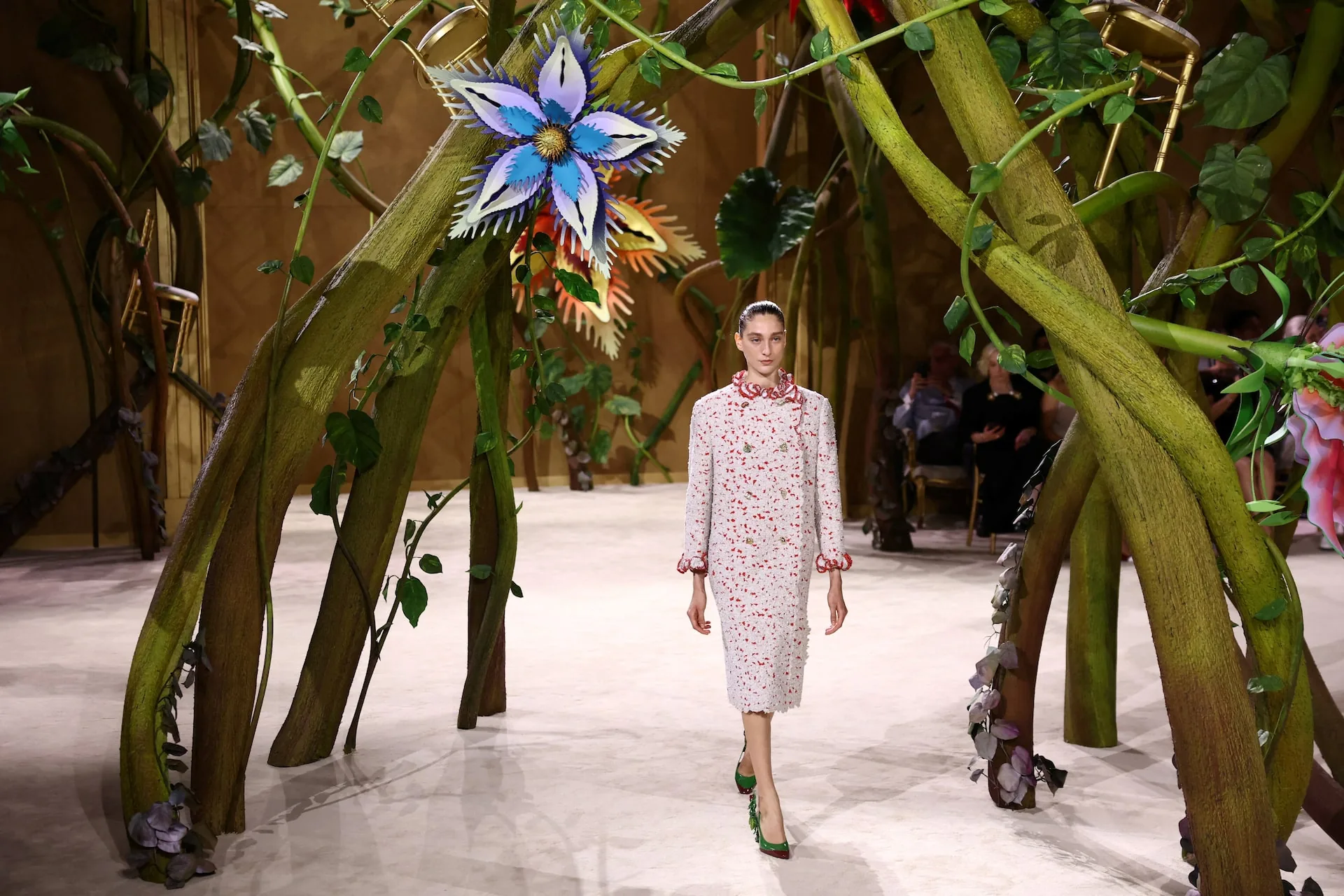
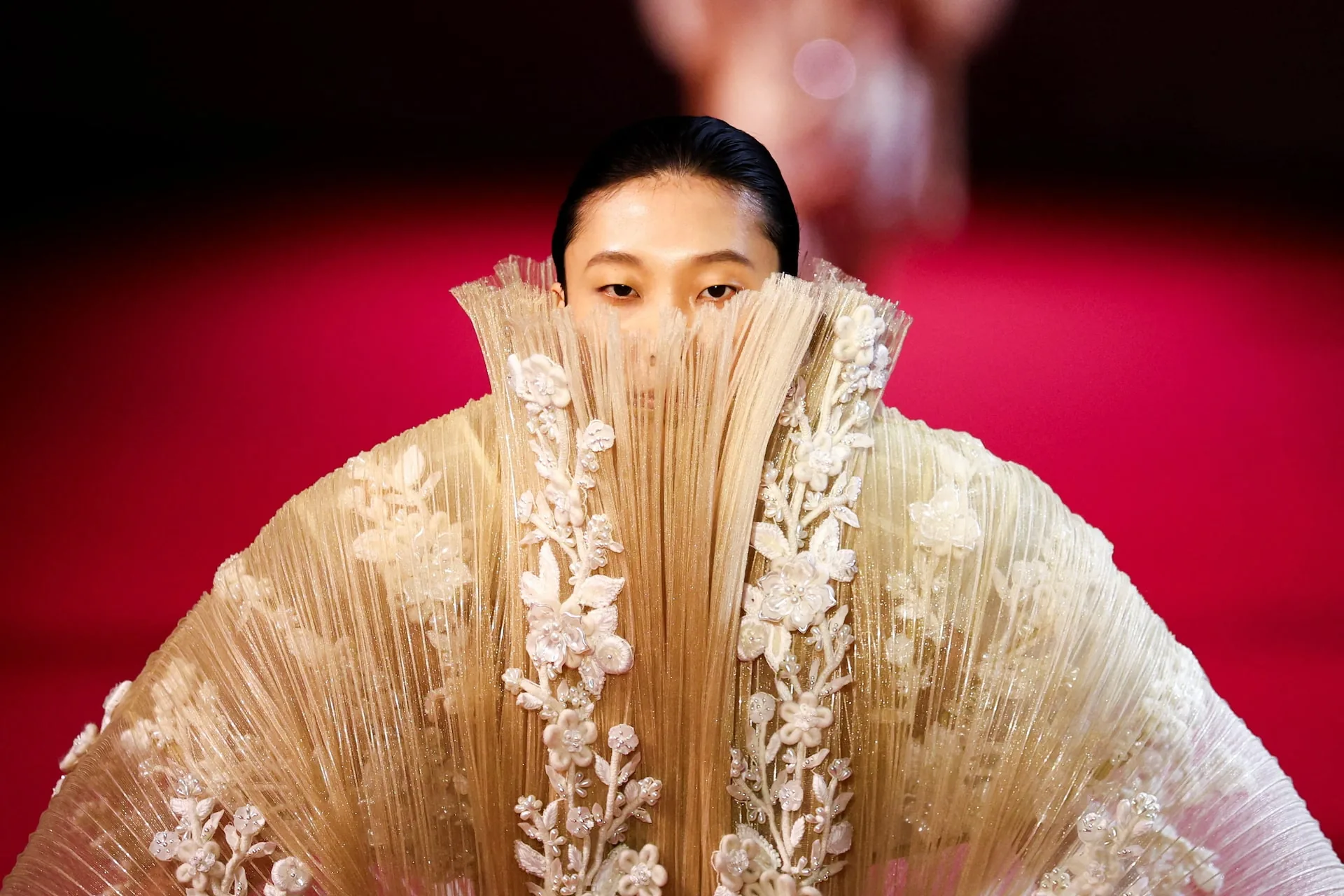
Paris couture week is the last place where clothes are still made without a thought for production runs. Every piece is one of a kind and sewn by hand. This season designers sent out sculptural silhouettes, shimmering gowns and embroidery dense enough that it is easier to measure in hours than in metres. Three themes ran through the week: dramatic pleating, feathered embellishment, and motifs lifted straight from nature.
Chanel under Matthieu Blazy is the season’s main focus. The house is showing couture under new authorship for the first time in decades, and every look gets read closely.
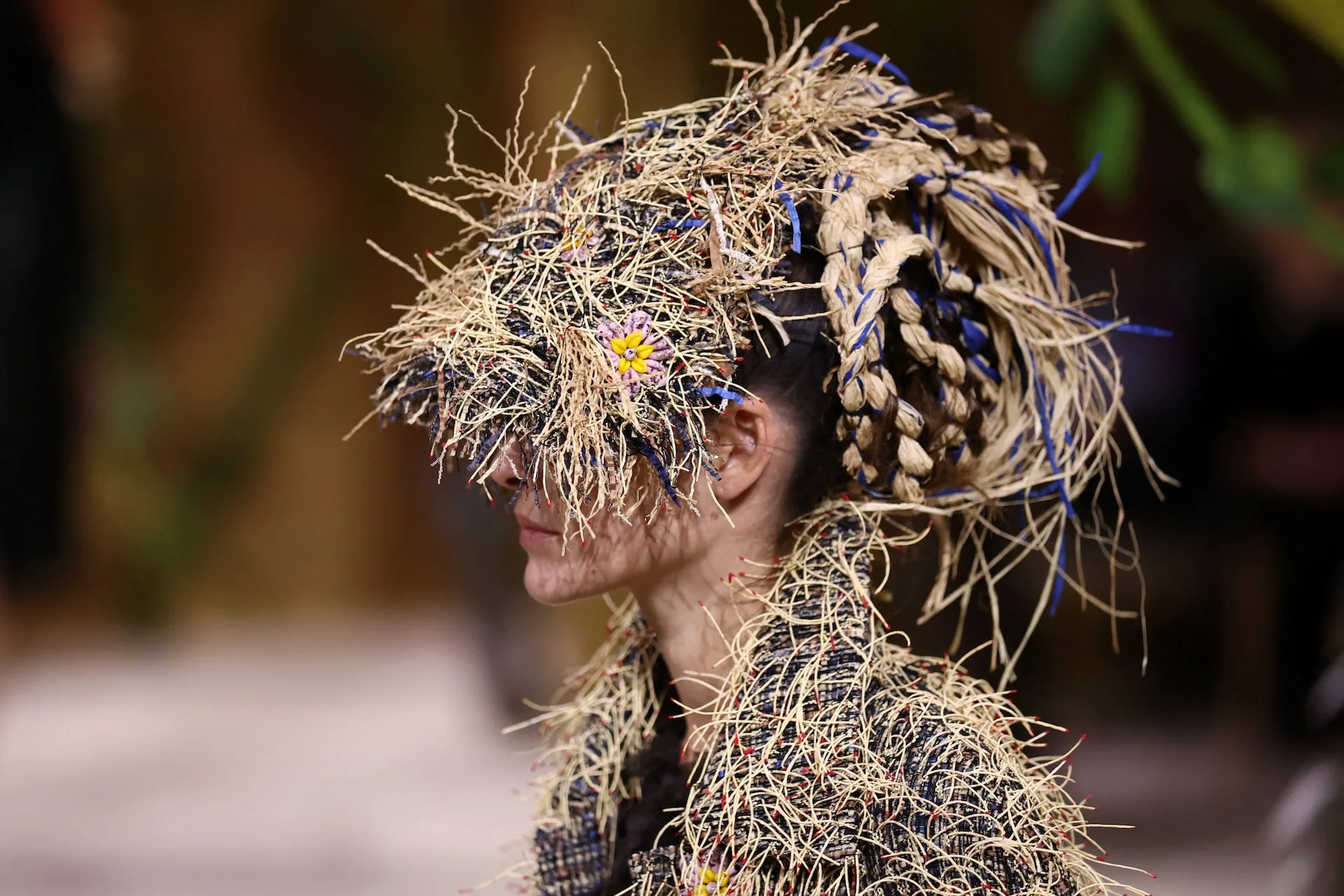
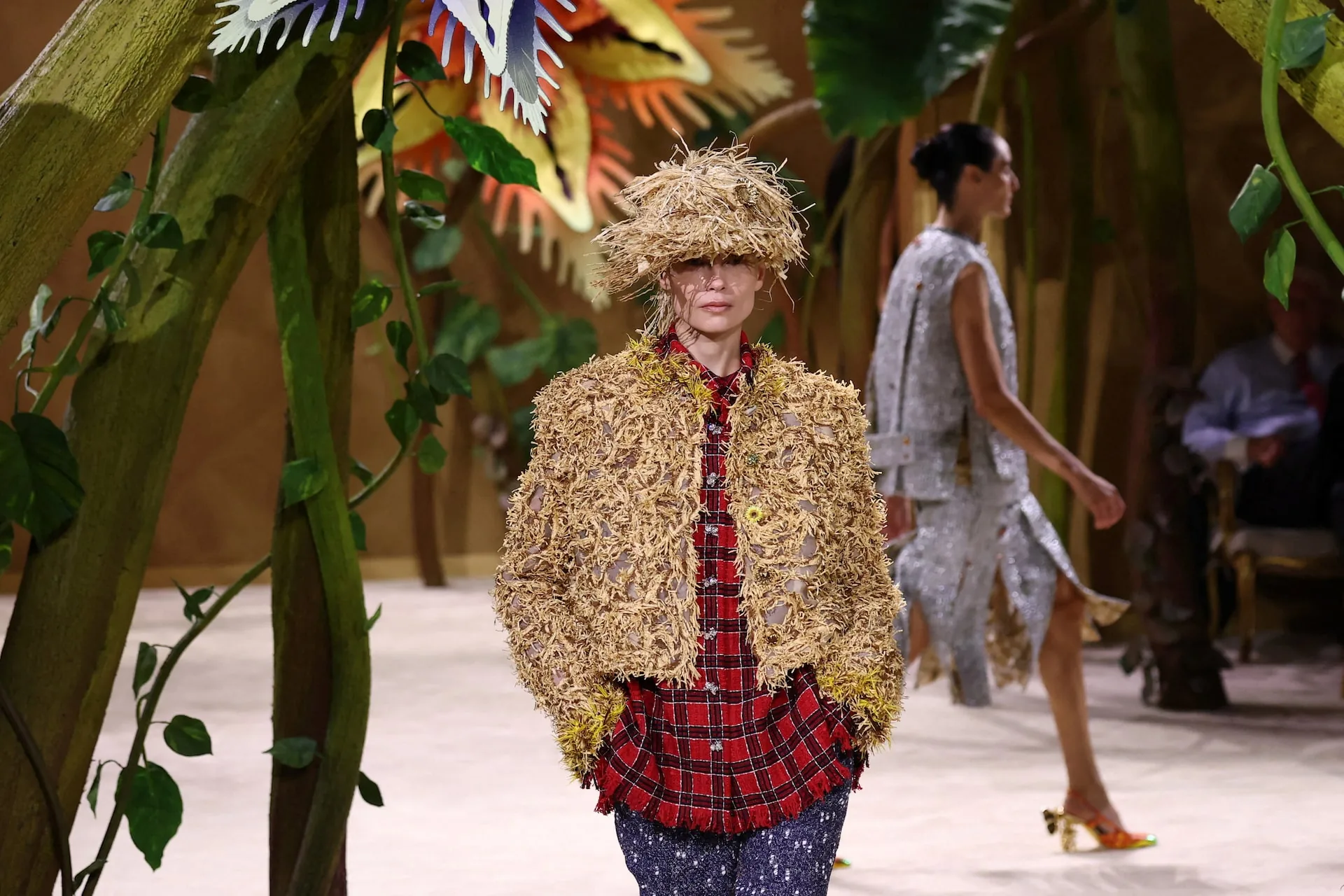
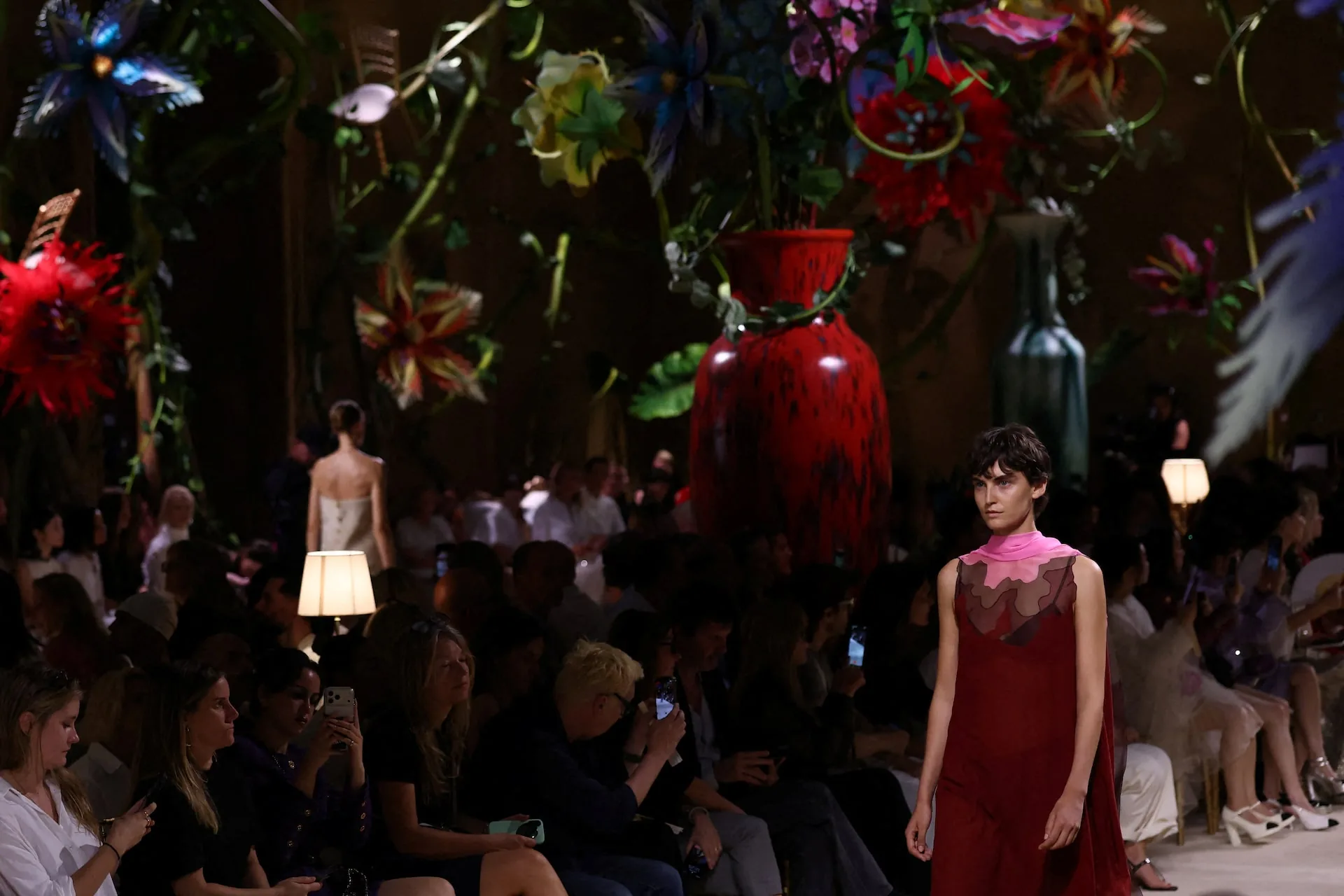
Working with volume is what couture exists for: a pleat that holds its shape without an internal frame demands a different fabric, a different technique and a different number of hands.
Elie Saab stays true to form: evening dresses where the real subject is light. The embroidered surfaces work less as decoration than as a way to control how the fabric catches and releases shine in movement.
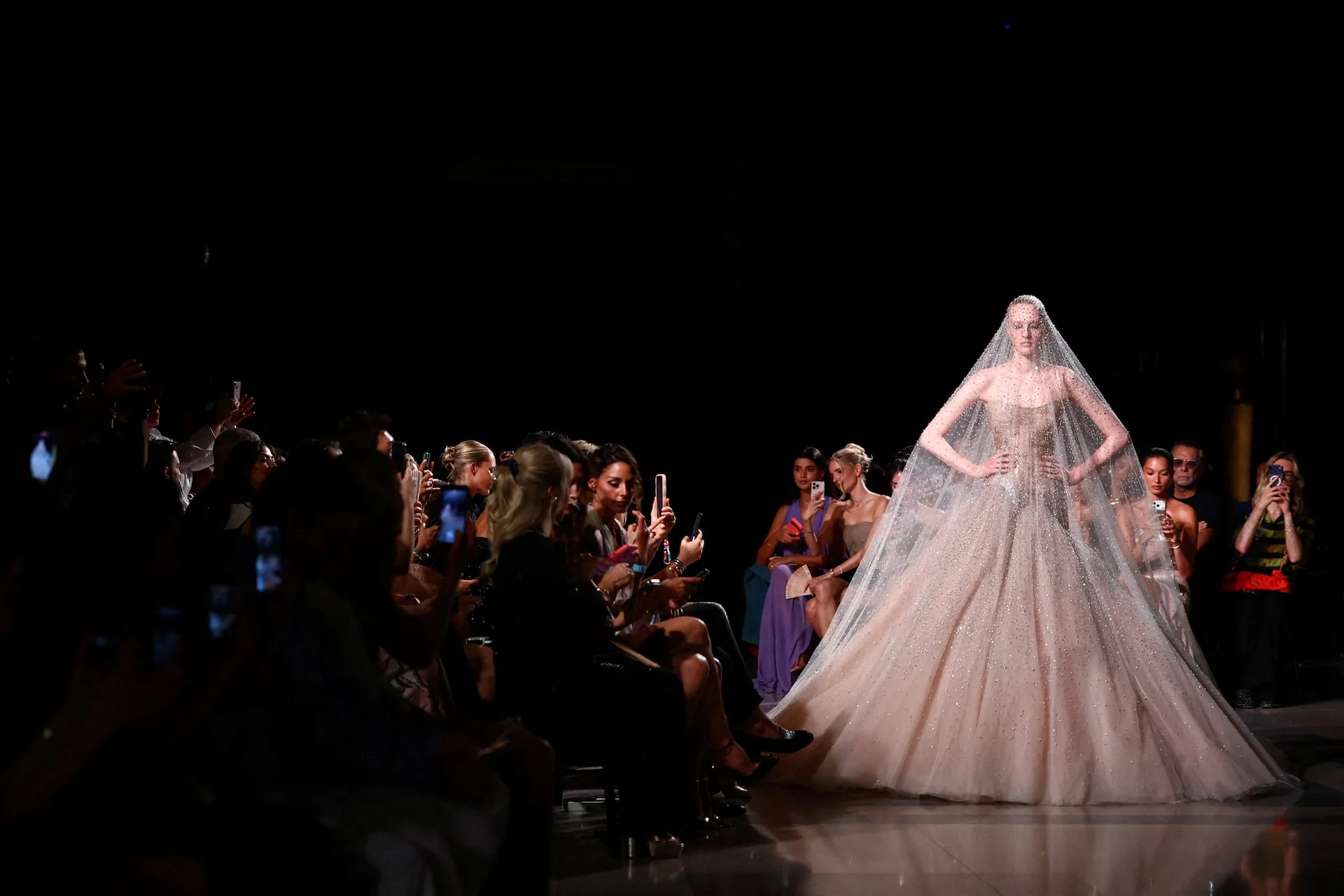
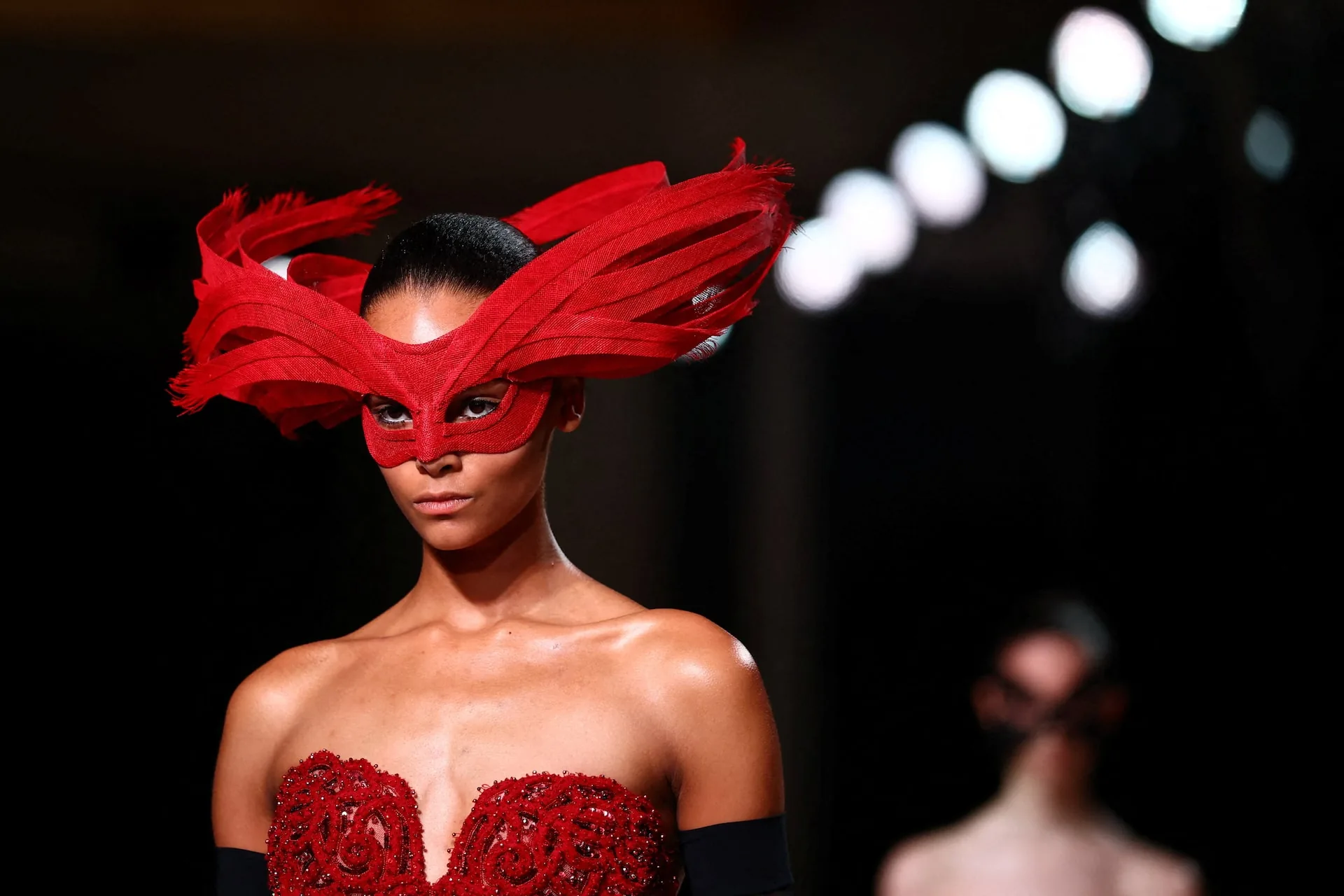
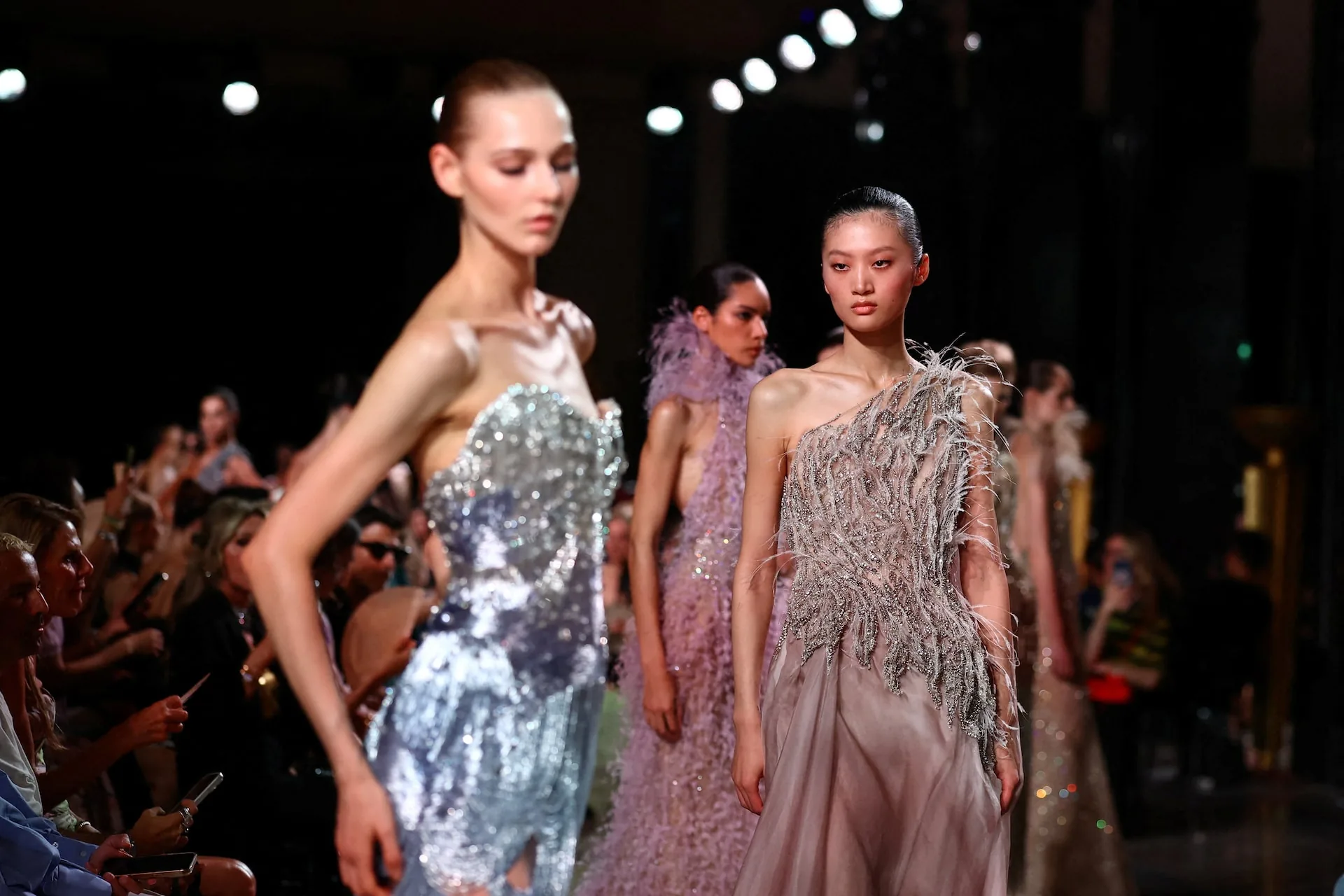
This is one of those cases where a photograph does not tell the whole story — half the effect only appears once the model walks.
Manish Malhotra brought his fall/winter 2026/27 haute couture collection to Paris: the Indian school of embroidery in couture format.
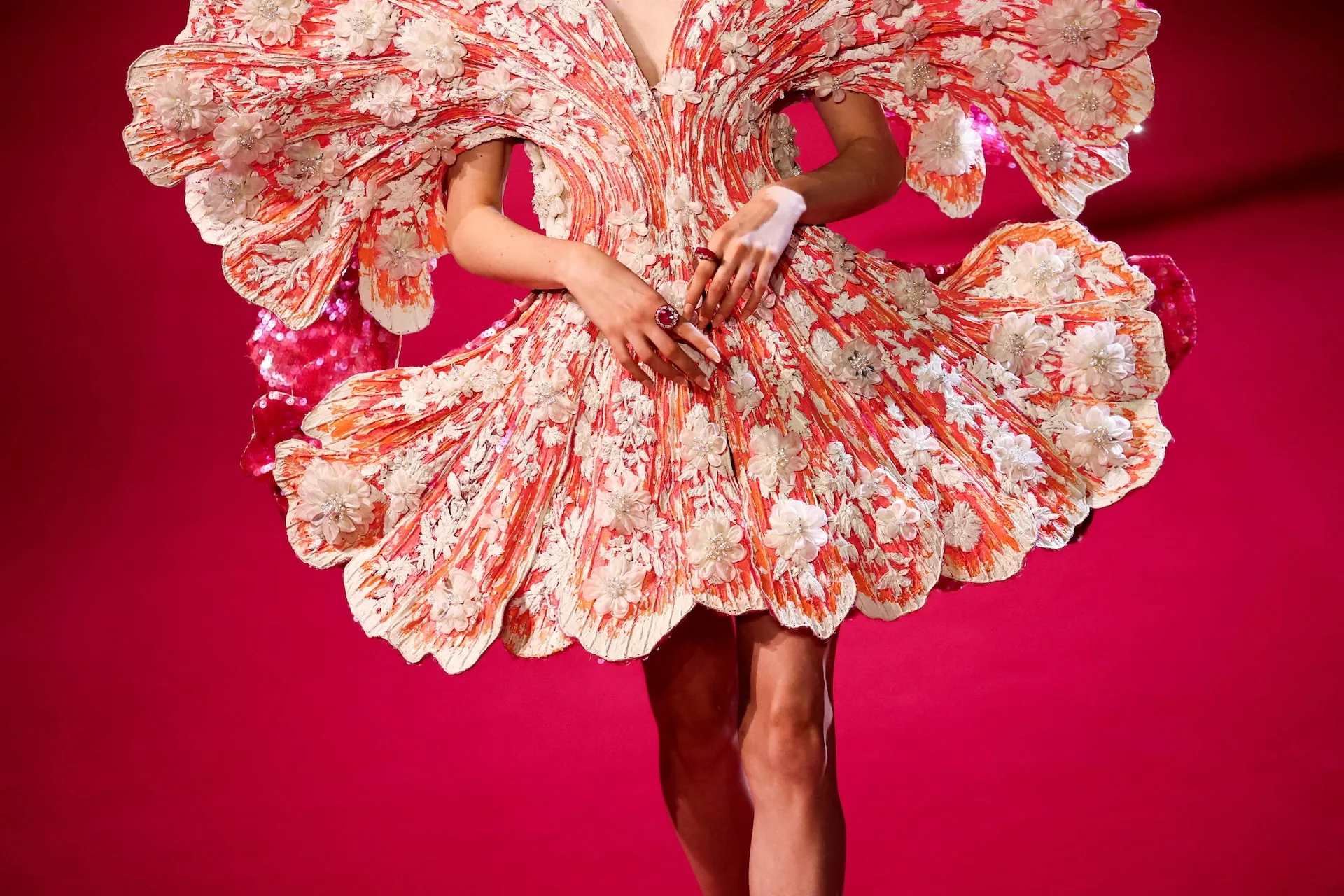
That segment — hand embroidery and textile craft — has become one of the industry’s central points of interest. And it reads better on a runway than in any report.