


Shanghai has stopped chasing: minimalism is over, colour and emotion are back
The week closed with Glenn Martens’s Maison Margiela show. But the real story is not a single trend — it is a change in posture: the city no longer reacts to the global system, it operates within it.
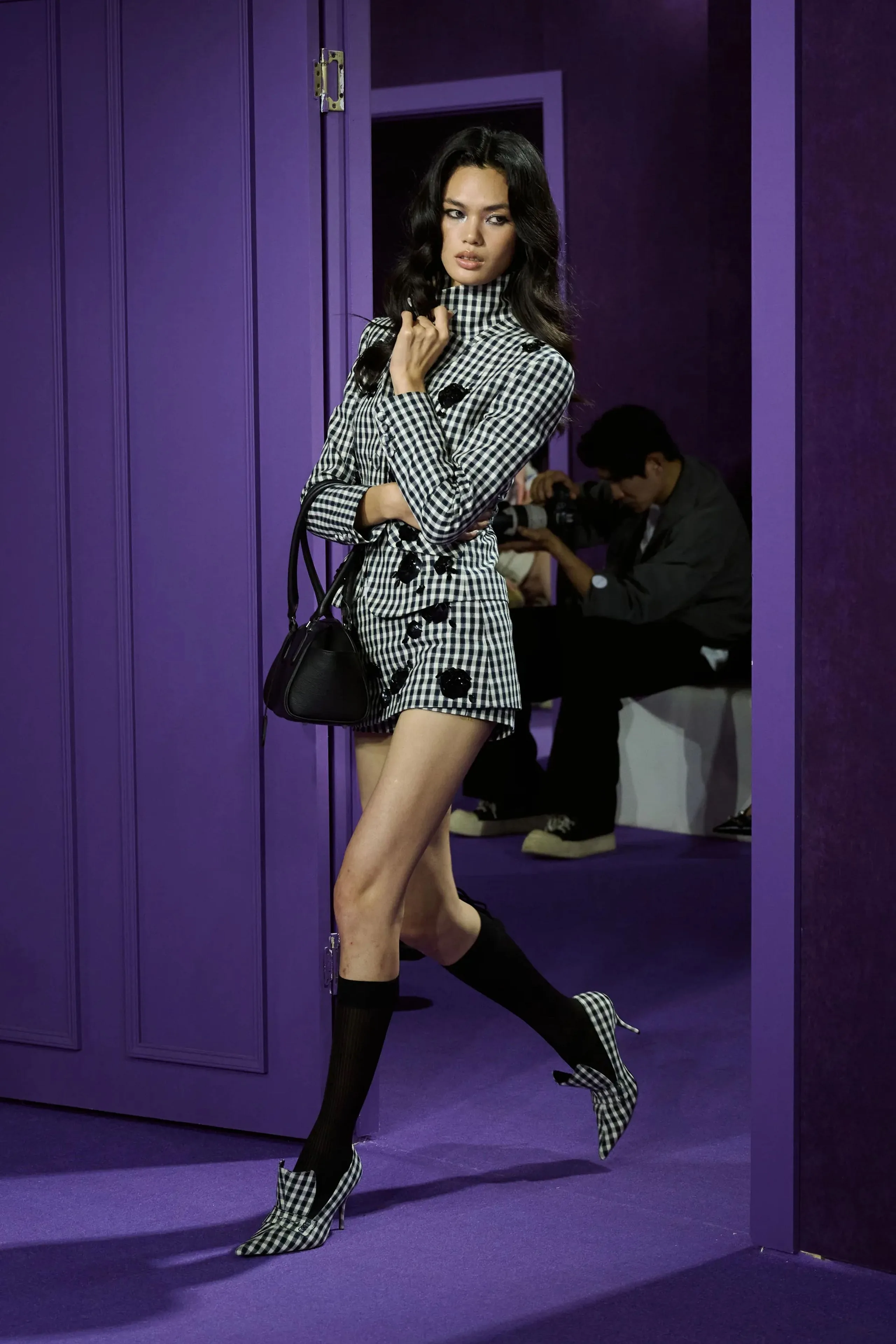
Shanghai Fashion Week FW26 closed on a symbolic high note with Glenn Martens’ runway show for Maison Margiela — a moment that underscored both the designer’s growing resonance in China and the broader transformation underway across the market.
The season unfolded against a still-fragile macroeconomic backdrop, yet the mood on the ground felt notably more constructive. Rather than a reactive rebound, Shanghai is entering a phase of consolidation, defined by sharper creative direction, more disciplined buying behaviour and a clearer articulation of local design identity.
The shift is visible in the ecosystem around the shows too. A larger cohort of Chinese designers returned to the official schedule with more mature, fully developed collections, while the presence of international buyers and media continued to strengthen — signalling renewed global attention on Shanghai as both a creative and commercial platform.
Aesthetically, the pendulum is moving away from the pared-back minimalism that defined recent seasons. In its place is a more deliberate embrace of refinement, emotional expression and cultural specificity, with emerging codes increasingly aligned with both domestic consumer sentiment and global fashion discourse.
The earlier wave had its reasons. The rise of “clean fit” in China was not accidental: it was a product of its time, a convergence of economic caution, the influence of global luxury’s “quiet” codes, and the algorithmic aesthetics of platforms like Xiaohongshu and Douyin, where pared-back, logo-light dressing became both aspirational and easily replicable.
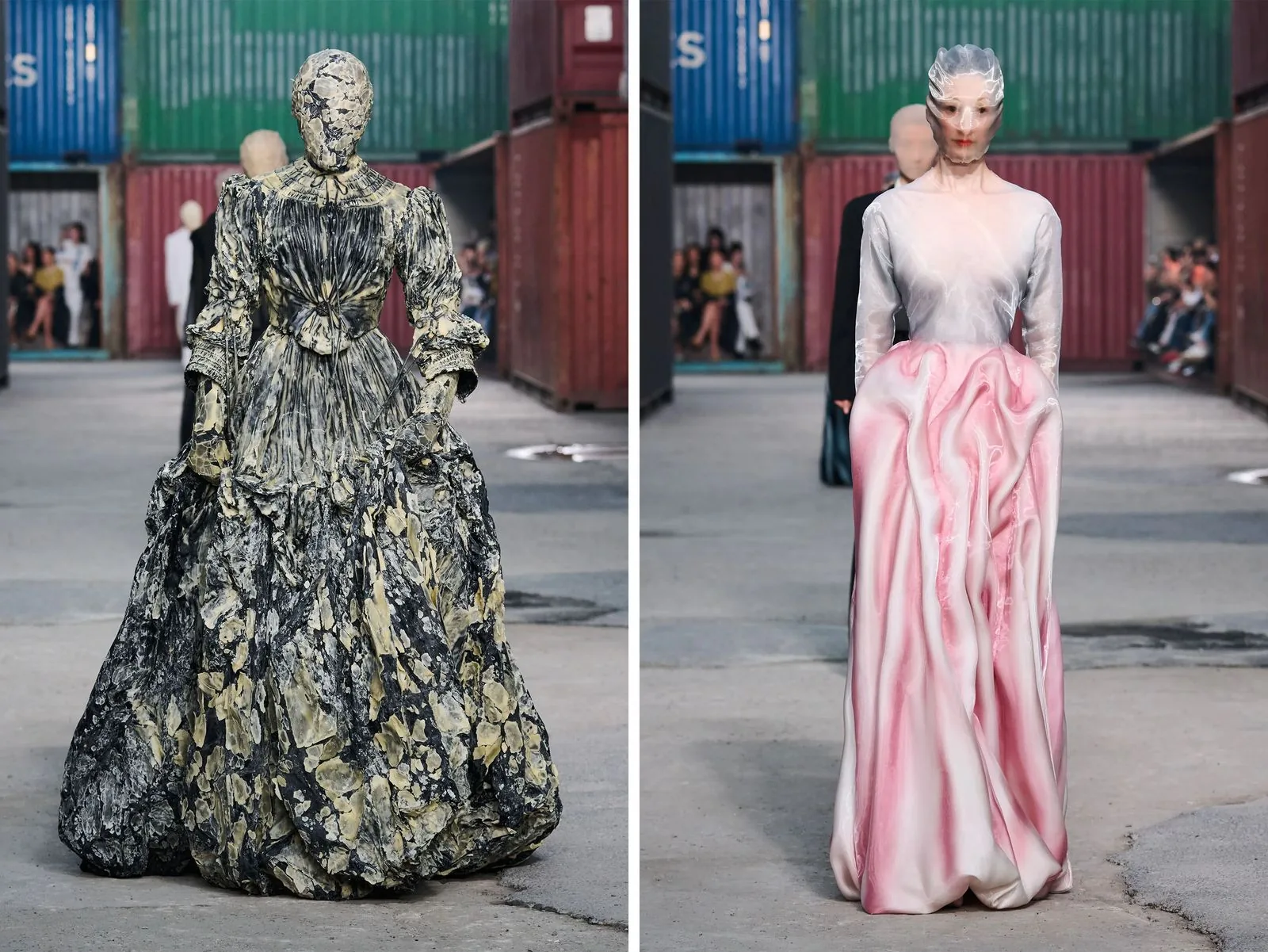
But that uniformity has started to wear thin. As Ontimeshow founder Yeli Gu observed, the appetite for restraint has given way to something more expressive: femininity, romanticism and emotional texture are back at the centre of design language.
The observation is echoed internationally. “For a while, everything was about minimalism and understated luxury — whether in the luxury world or the contemporary segment. But I think that’s gone for now. We want more authenticity, femininity and romanticism,” says Marine Humeau, merchandising manager at Printemps.
More than any single trend, what stood out was a change in posture. Shanghai is no longer simply reacting to the global fashion system. It is beginning to operate within it with greater clarity and self-definition.