


LVMH is selling Marc Jacobs — the end of a thirty-year chapter
The buyers are raising $850 million. Marc Jacobs himself stays on as creative director. “I am forever grateful to Bernard Arnault for his support, belief and trust in me over the last 30 years.”
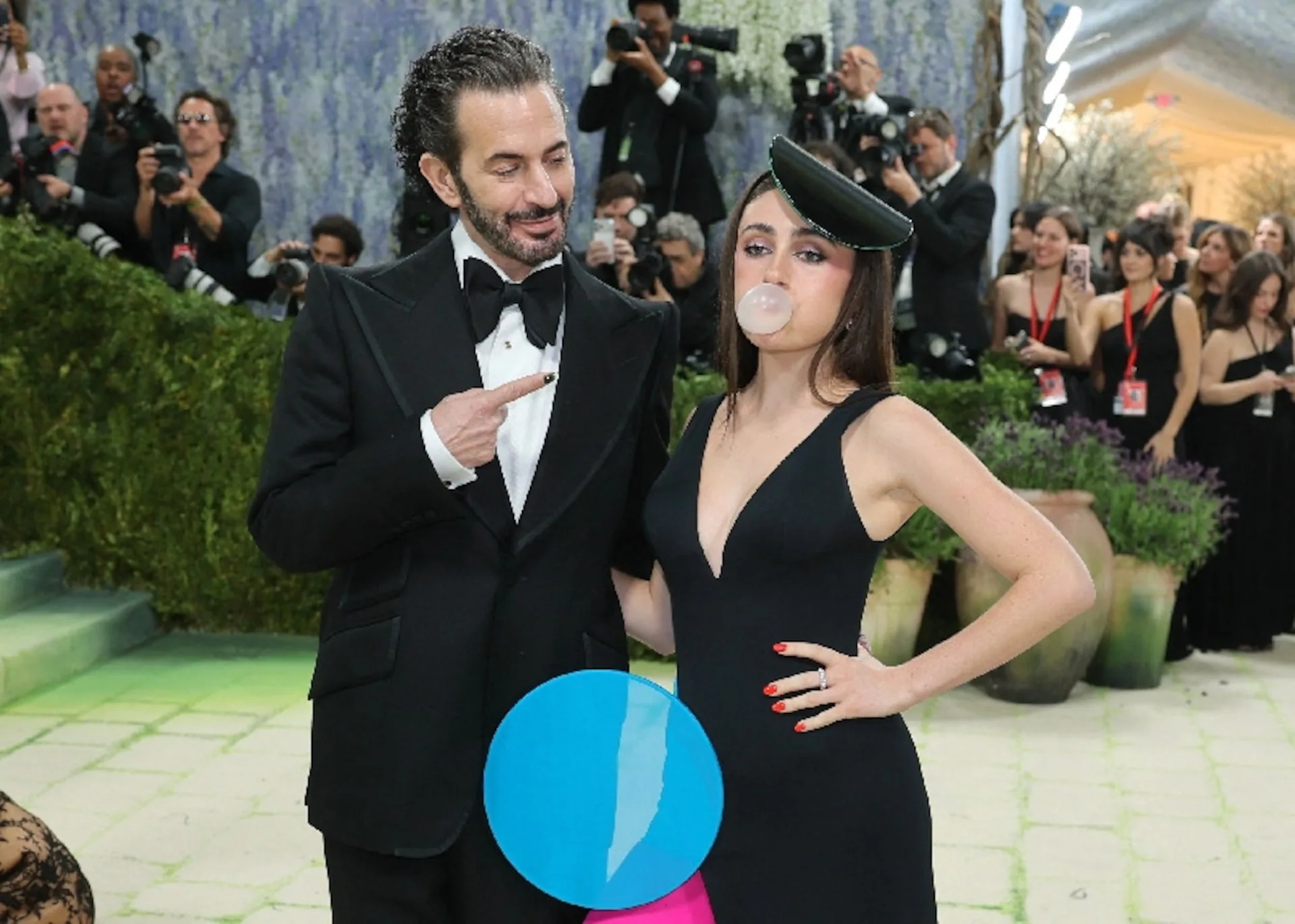
LVMH has agreed to sell Marc Jacobs to a joint venture between brand manager WHP Global and apparel company G-III Apparel Group. The buyers are raising up to $850 million to fund the deal — a regulatory filing shows each side contributing up to $425 million.
For LVMH it closes a nearly three-decade chapter and reflects a broader push toward profitability in a challenging luxury market, where conflict in the Middle East continues to disrupt travel and weigh on spending in a key region. Last month the group said the Iran war shaved at least 1% off group sales in the latest quarter, with lower Gulf spending and fewer tourists in Europe adding to the weakness.
The deal also highlights a wider shift. Conglomerates such as LVMH are rationalising non-core assets, while specialist brand managers and manufacturers become natural buyers for “accessible luxury” and American designer names. “This underscores a new playbook of owning the IP, licensing aggressively and keeping operations lean,” says supply chain consultant Brittain Ladd of Florida-based Chang Robotics.
Similar deals have already moved well-known labels from large consumer companies to brand managers, including Adidas’ 2021 sale of Reebok to Authentic Brands Group for up to €2.1 billion. Talks between LVMH and potential Marc Jacobs buyers, including WHP Global and Reebok owner Authentic Brands Group, were reported last year.
New York-based WHP Global said Marc Jacobs would become a core part of its premium fashion portfolio, which already includes Vera Wang, rag & bone and G-STAR, taking its global retail sales above $9.5 billion.
The part that matters to the brand’s followers: founder Marc Jacobs, who launched the label in 1984, will remain creative director after the deal closes, overseeing creative direction and runway collections. LVMH acquired a majority stake in his brand in 1997, the same year it named him Louis Vuitton’s first creative director. There he introduced ready-to-wear collections and artist collaborations, including with Richard Prince and Takashi Murakami, fusing fashion, art and pop culture.
“I am forever grateful to Bernard Arnault for his support, belief and trust in me over the last 30 years,” Jacobs wrote on Instagram.
Under the deal, WHP will form a 50/50 joint venture with G-III to own Marc Jacobs’ intellectual property. G-III will acquire and manage the brand globally, while WHP oversees licensing. Financial terms were not disclosed. The transaction is expected to complete before year-end. G-III, which also owns Karl Lagerfeld and DKNY, will fund its investment with cash and its revolving credit facility.