


Saks left bankruptcy half its size — now it has to win shoppers back
Debt cut by 75%, shareholders including Amazon wiped out, the store network more than halved. Smaller brands in the creditor queue got nothing.
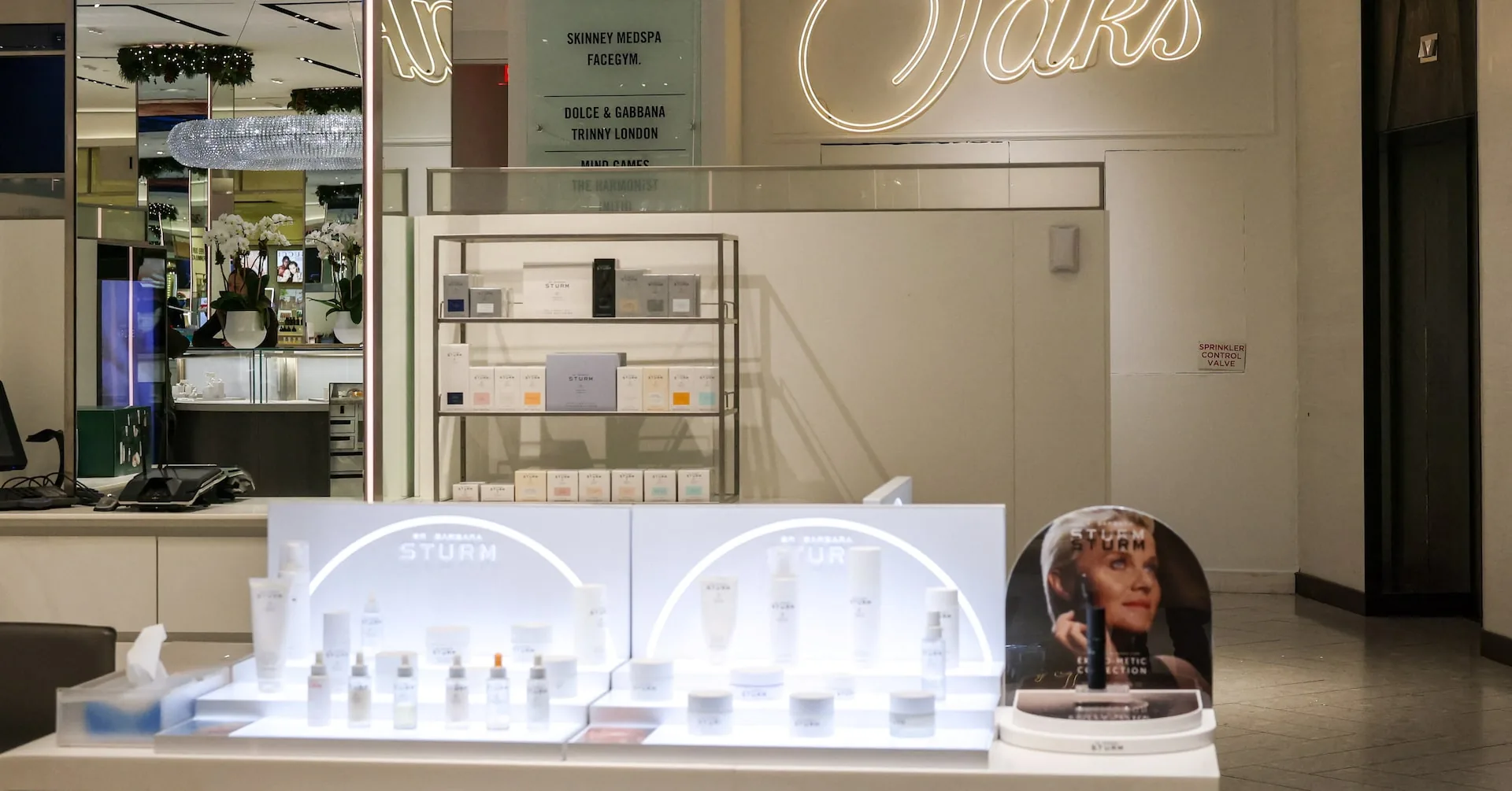
Saks Global emerged from bankruptcy with fewer stores and a renewed focus on upscale luxury, closing a rocky chapter in its storied history. Now comes the next battle: winning back customers in a strained luxury market and avoiding ending up back in court, a trend all too common among bankrupt brick-and-mortar retailers.
Saks Global was formed through a debt-fuelled merger in 2024 encompassing Saks Fifth Avenue, Neiman Marcus and Bergdorf Goodman — three mainstays of US luxury fashion that have connected American shoppers to exclusive brands for more than a century. The original Saks Fifth Avenue store was opened by retail pioneer Andrew Saks in 1867. The company, now renamed Exemplar Luxury Group, filed for Chapter 11 in January after vendor payment delays and months of withheld inventory.
It now says it is on stronger financial footing, having more than halved its store network to focus on its best-performing premium outlets while largely abandoning off-price stores. The restructuring slashed debt 75% to about $1.2 billion, wiped out shareholders including Amazon, and handed control to senior lenders. Saks also ended its e-commerce partnership with Amazon as part of the shift away from mass-market shopping.
The targets are lofty: revenue growth at a compound annual rate of 7% between fiscal 2027 and 2030. To get there it needs shoppers. “That is still an open question,” said Mark Cohen, former director of retail studies at Columbia Business School: luxury brands from Chanel to Louis Vuitton often funnel their best products to their own stores, even more so amid Saks’ woes. Rivals Bloomingdale’s and Nordstrom have jumped on the troubles. “The Saks-Neiman network has to start demonstrating positive sales,” Cohen said. “Their forecasts for recovery are highly optimistic.”
The process exposed an imbalance. Saks’ biggest luxury vendors enjoyed a leg up, securing exclusive payouts for pre-bankruptcy claims while many smaller brands were left with little recourse. One vendor owed at least $20,000 in unpaid invoices said he has recovered nothing and has given up on the money. The company said nearly half of the vendors offered recovery on pre-petition claims were small and independent designers and brands.
High-end designer and luxury is “the space that they understand best,” said Gary Wassner, CEO of Hilldun, a factoring firm that guarantees orders for about 180 Saks vendors. Jonathan Saven, CEO of luxury womenswear brand L’Agence, said he trusts the new management team.
Brands, meanwhile, want more control over their inventory to shield themselves from future turmoil. Saks is keeping hundreds of agreements that let vendors lease space in its stores or retain control of their products until sold, and some brands without such deals hope to sign them. That could tee up a fresh battle: wholesale makes up 75% of Saks’ business and, a spokesperson said, “will account for an even larger share of our revenue going forward.” Concession and consignment deals could also further box out smaller and emerging brands. “It’s not a fair system,” said Thomai Serdari, luxury brand strategist and marketing professor at NYU’s Stern School of Business. “It favors brands that have more capital available.”